







Search Results for: disposable cup deposit system
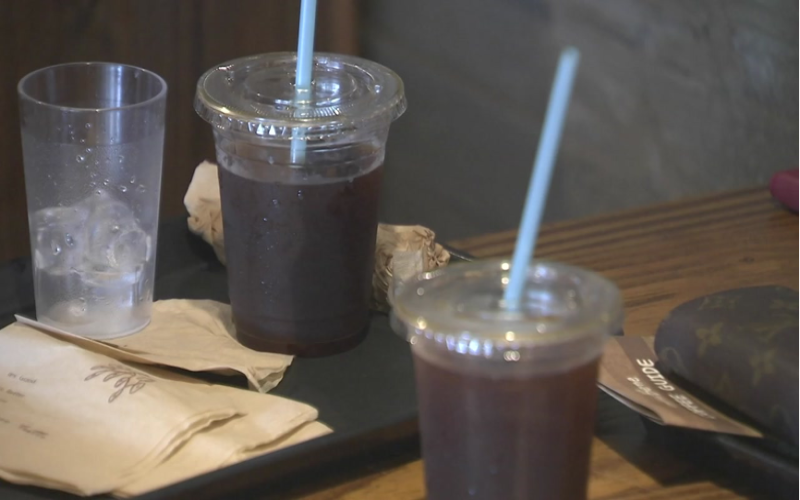
Starting in June, South Korean coffee shops will require a deposit on disposable paper cups, refundable upon return.
Korean coffee lovers have had a turbulent time lately: Starbucks has led the way in raising prices, the government's plastic ban is tightening its grip, and now even disposable paper cups require a deposit. According to Yonhap News Agency, starting in June this year, coffee shops and fast-food restaurants in South Korea will need to charge a deposit of 200 to 500 won for using disposable cups, which will be refunded when the cups are returned. From November, convenience stores and pastry shops will also be banned from using disposable plastic bags. Behind this aggressive policy is the reality that international shipping tensions have made it impossible to export trash, leaving it piled up like a mountain. Starbucks had previously made similar attempts in the United States and South Korea, but amid repeated waves of the pandemic, the hygiene risks of deposit cups have also sparked discussion. If it were you, would you pay a deposit for a disposable cup? [more…]
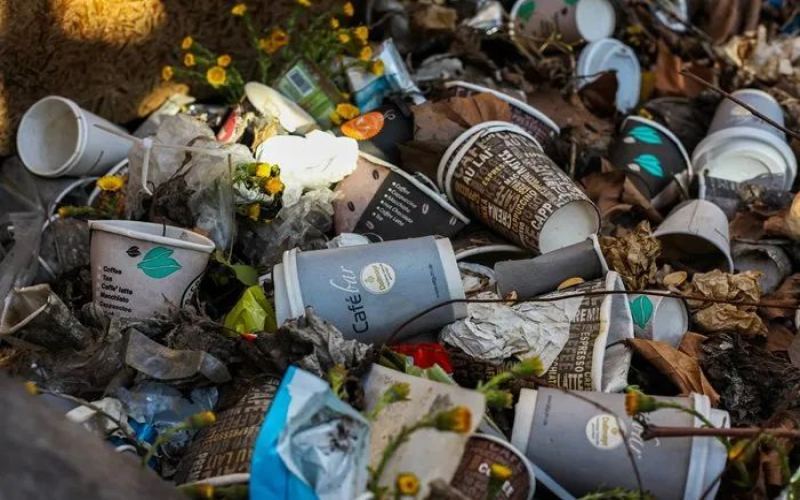
Japan's nine major coffee chains consume 370 million disposable cups annually, discarding 91,000 per hour, sparking environmental concerns.
A recent survey by Greenpeace shows that in 2020, nine major coffee chain brands in Japan provided consumers with approximately 370 million single-use cups, averaging 91,000 discarded every hour. Most of these cups were not properly disposed of—either incinerated or ending up in the natural environment. Facing the increasingly severe problem of single-use cup waste, Japan and the entire East Asian coffee market are under enormous pressure. Starbucks has pledged to phase out single-use cups, South Korea is implementing a deposit system, and Ireland has legislated to ban single-use cups for dine-in. Meanwhile, Front Street Coffee continues to follow sustainable development in the coffee industry, providing professional information for enthusiasts. [more…]
The Rise of Reusable Cup Waves: How Chain Brands from Starbucks to FamilyMart Are Driving New Coffee Plastic Reduction Practices
The normalization of coffee consumption and the prevalence of takeout culture have made disposable cups a pollution source that cannot be ignored. Environmental issues have long ceased to be a novelty in the coffee world—packaging innovation, coffee grounds reuse, paper straw replacements, as well as bring-your-own-cup discounts and in-store reusable cup pilots, are all being continuously explored. Recently, FamilyMart announced that it will massively roll out reusable cups to 400 stores in the Taiwan region, becoming East Asia's first convenience store chain to introduce reusable cups at scale. Previously, Starbucks launched a "borrowed cup" pilot in Seattle, and McDonald's also partnered with the Loop platform to test reusable cups. Can these initiatives truly change consumption habits and drive the industry to reduce plastic? This article will walk you through the practical paths of these pioneers and the real challenges they face. [more…]
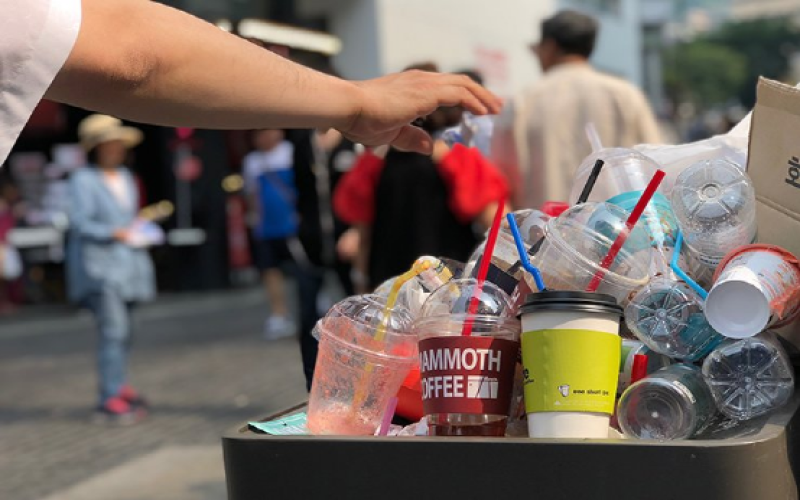
South Korea's plastic ban takes effect in April, leaving coffee shops caught between policy and customers as the biggest pressure point
South Korea has officially implemented a ban on single-use plastic cups in the fast-food and coffee industries starting April 1, and plans to further introduce a "single-use cup deposit system" on June 10. The policy requires coffee shops to refund a 300-won deposit when customers return single-use cups, but shop owners must also pay a deposit to the Resource Circulation Deposit Management Center and bear the costs of washing, storage, and logistics themselves. Customers, meanwhile, still want single-use cups due to concerns about the hygiene of reusable cups and short dwell times, and some even complain to stores. Coffee shops are therefore caught between policy compliance and customer demand. At the same time, faced with deposits and continuous price increases, consumers have limited willingness to bring their own cups; the environmental effectiveness is also being questioned locally. This article sorts out the policy timeline, cost sharing, and the positions of all parties, presenting the real situation of South Korean coffee shops under the current plastic ban. [more…]
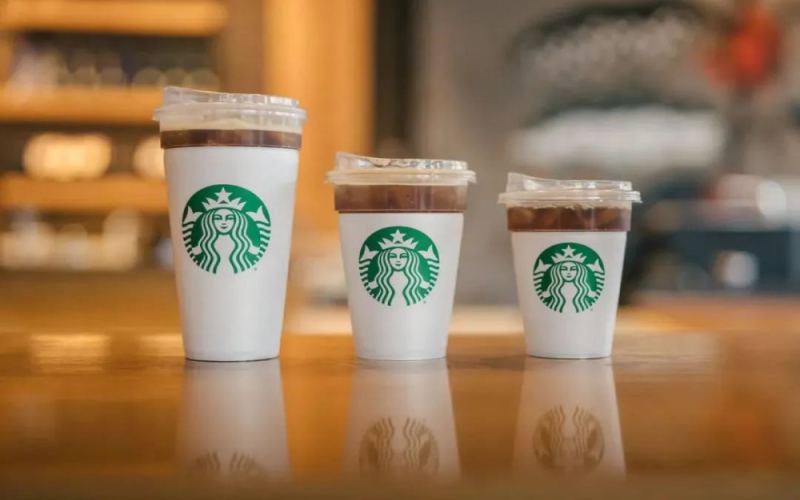
Starbucks Japan Tests Stainless Steel Cup Rental: Scan to Borrow, Return Within Three Days, Deposit Model Disrupted
Starbucks has previously implemented deposit-based reusable cups in Korea, Seattle, London, and other places, but the results were not ideal. Starbucks Japan was the first to change its approach, launching a stainless steel cup rental service at ten stores in Tokyo. Customers can scan a code via a mobile app to borrow a cup, return it within three days, and even enjoy a discount on their drink. After return, the cups are uniformly washed at high temperature and disinfected. The company emphasizes that there is no need to worry about residual viruses or bacteria. Can this model truly promote environmental protection, and can it be replicated in other regions? This article will provide a detailed interpretation for you. [more…]

Starbucks Tumbler Production Process Raises Environmental Concerns, Greenwashing Controversy and Lid Plastic Issues Draw Attention Again
Starbucks has long presented itself as environmentally friendly, from coffee-ground straws to the global expansion of its "Greener Stores," earning recognition from many environmentalists. However, a recent TikTok video showed a barista first making a drink in a disposable plastic cup before pouring it into a customer's own glass cup and then throwing the plastic cup away, sparking accusations of "greenwashing." In fact, this is not the first time Starbucks has been questioned over its environmental measures: the strawless lids introduced in 2018 were criticized for using more plastic, and the deposit and recycling issues surrounding reusable cups have also been highly controversial. This article will outline the course of the incident and the responses from various parties, and review the many controversies in Starbucks' environmental marketing, to help you understand the true situation of this coffee giant on the road to sustainable development. [more…]
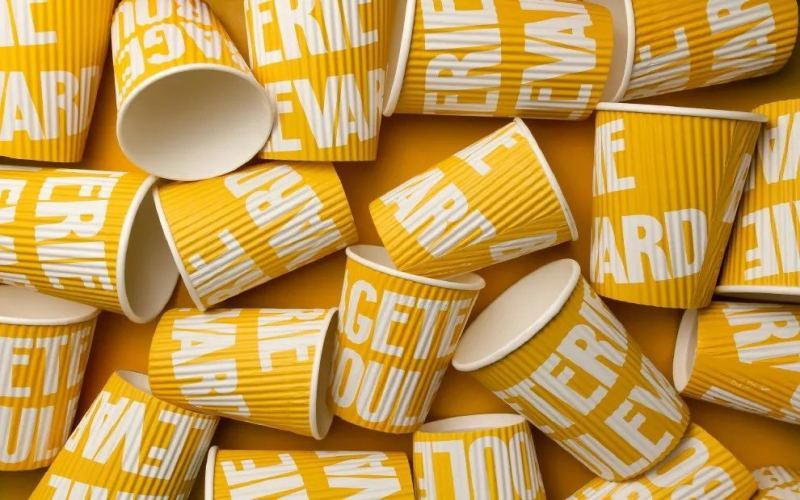
Edible Coffee Cups Make a Comeback: The Eco-Friendly Evolution from Ice Cream Cones to Oat Cups
The environmental problems of single-use paper cups are becoming increasingly severe, and the coffee industry has been searching for alternatives. From the failed attempt with cone cups in 2014, to the brief popularity of KFC's cookie cups, and then to the unexpected revival of oat cups during the pandemic, edible coffee cups have gone through three generations of technological iteration. This article will review the development history, technological breakthroughs, and market dilemmas of edible cups, and explore whether they can truly replace single-use cups and become a new environmentally friendly choice for coffee shops. [more…]
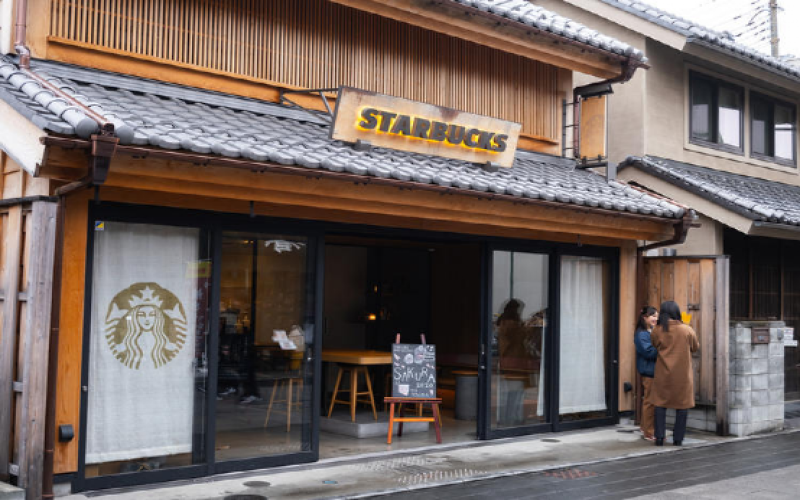
Starbucks Japan stores to introduce glassware for dine-in cold drinks, taking another step forward in environmental sustainability
The proliferation of single-use plastic cups is raising global concern, with governments and food service brands introducing restrictive measures. Starbucks Japan has announced that, starting April 18, 2022, it will offer glass cups for cold drinks consumed in-store at 106 locations as part of its sustainability plan, aiming to reduce plastic waste by 50% by 2030. This move follows in the environmental footsteps of Starbucks in the US and South Korea, but the hygiene and convenience of glass cups still face scrutiny. Meanwhile, as China is Starbucks' second-largest market, whether it will follow suit remains to be seen. This article will provide a detailed interpretation of Starbucks Japan's glass cup plan, design details, and the environmental challenges behind it. [more…]
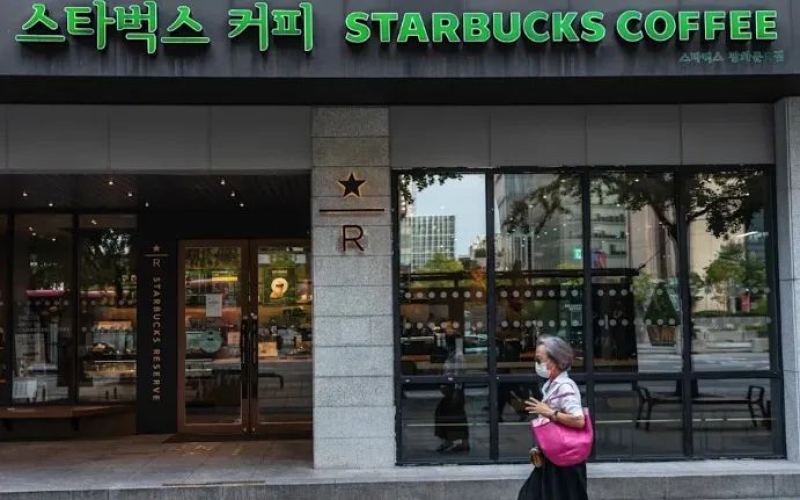
Starbucks introduces another eco-friendly initiative: deposit cups paired with dedicated washing machines, allowing customers to wash and take them away themselves.
Starbucks has been exploring ways to reduce single-use cup usage in recent years, from deposit cups in the South Korean market to cup borrowing programs in Europe and the US, but none have achieved the expected results. Now Starbucks has launched Plan C—introducing dedicated cup-washing machines in stores, where customers can wash their cups themselves after finishing their coffee and take them away, though a deposit is still required. The program will first be tested at Arizona State University and select stores in Hawaii. Meanwhile, Starbucks mainland China has fully switched to paper straws and sippy lids, reducing approximately 200 tons of plastic annually. Whether the environmental path can meet its 2025 targets remains to be seen. [more…]
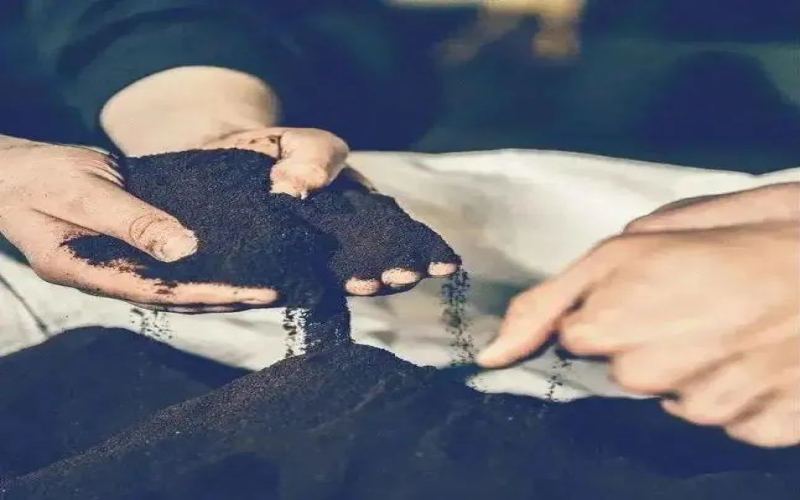
Coffee Grounds Drive Coffee Roasting: Japanese Company Teams Up with University to Develop Biochar Fuel, Claims Zero Carbon Emissions
As the most common waste product in coffee shops, coffee grounds generate over 8 million tons globally each year, and their disposal not only consumes energy but also pollutes the environment. Over the past decade, researchers have continuously explored ways to reuse coffee grounds, from blended fuels to eco-friendly boards, from clothing fabrics to food utensils, coffee grounds are transforming into a new eco-friendly favorite across multiple industries. A Japanese coffee roasting company has teamed up with a research team from Kindai University to develop a biochar fuel made from coffee grounds, and claims that the carbon dioxide released during combustion can be offset by the amount absorbed during the growth of coffee plants, thereby achieving zero carbon dioxide emissions. This "fighting magic with magic" environmental approach—how exactly is it achieved? [more…]
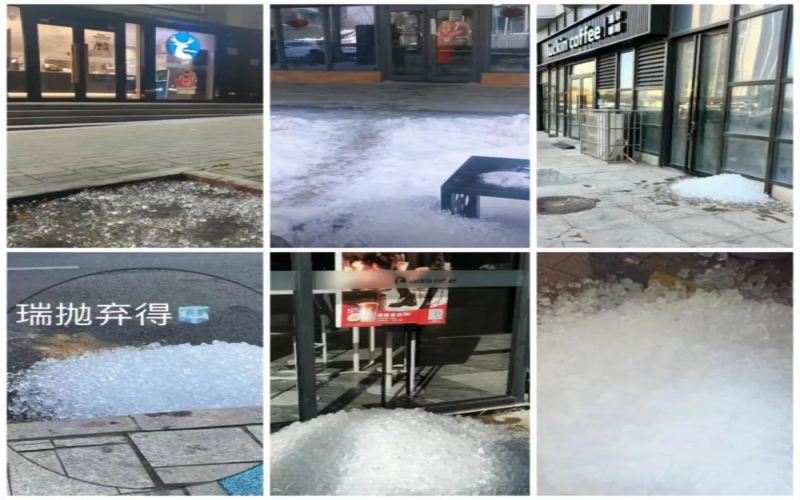
Luckin store's ice machine waste ice dumped on street trees sparks debate; landscaping department responds to operational hazards
Recently, a video of Luckin Coffee store employees dumping large amounts of waste ice from cleaning the ice machine under the street trees in front of the store has sparked heated discussion on social media. On one hand, there is the practical difficulty employees face in disposing of excess ice; on the other, netizens are worried about the health of the trees. Is dumping ice a way to make full use of resources or is it harming the greenery? The landscaping department has offered a professional opinion on this, and behind the incident it also reflects a management blind spot in the waste ice disposal process at chain coffee stores. [more…]

Which brand is reliable when joining a coffee shop franchise? How much does the initial investment actually cost?
In the past year or two, the popularity of coffee entrepreneurship has continued to rise, and many office workers have begun to entertain the idea of opening a shop and becoming their own boss. A coffee shop that seems to have low barriers to entry, requires little investment, and has an artistic atmosphere has become the ideal project in many people's minds. But when they actually start, they discover that they have no idea where to begin, from site selection to promotion, so franchise chains have become a popular option. Advertisements promising "zero threshold" and "easy to be your own boss" are everywhere, but is the reality really that rosy? This article sorts out the main models of coffee franchising today, helps you calculate the upfront investment clearly, and gives the key points to note when choosing a franchise brand, in the hope of offering some reference for those who are still hesitating. [more…]
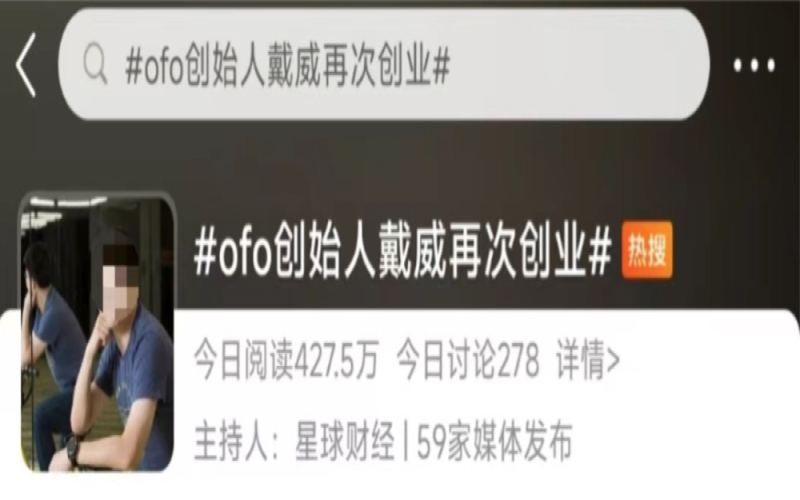
Ofo founder Dai Wei goes to the US to start a coffee shop again, netizens call for deposit refunds, Front Street Coffee follows industry trends
Remember ofo? That once ubiquitous bike-sharing brand is still nowhere near refunding deposits, yet its founder Dai Wei has reportedly started a new venture in the US—this time in the coffee sector. It's said that Dai Wei founded About Time Coffee in New York, specializing in iced pearl coffee, where new users can get a free cup upon registration, mirroring the marketing tactics of ofo back in the day. As soon as the news broke, netizens clamored for their money back. Front Street Coffee takes you through the whole story. [more…]
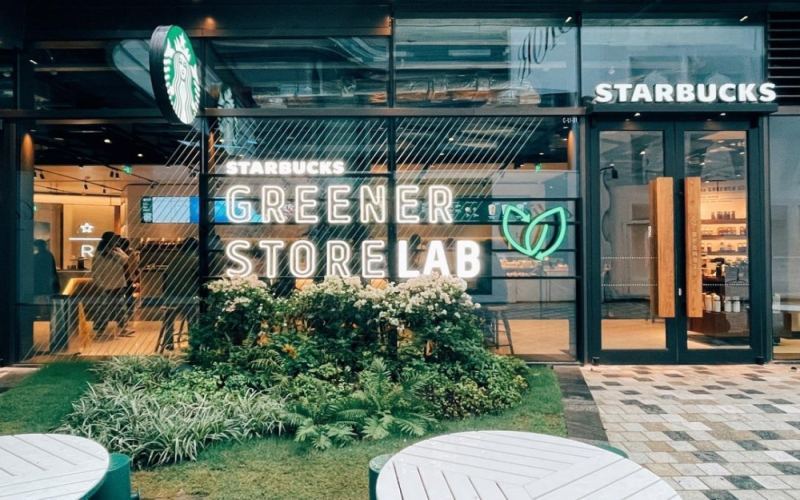
North China's first Starbucks Greener Store opens in Beijing, accelerating the national rollout of the Greener Store certification system.
In 2021, Starbucks celebrated its 50th anniversary and announced the expansion of its eco-friendly store framework, accelerating the global rollout of its "Greener Stores" initiative. This green store format made its debut outside North America, choosing Shanghai as its first location, and subsequently expanded to Suzhou, Shenzhen, and other cities. Recently, North China also welcomed its first green-certified store—Starbucks Beijing CITIC Prudential Store. When customers purchase handcrafted beverages in the store, they can get a reusable cup for an additional 15 yuan, or enjoy a 4 yuan discount if they bring their own cup. This certification system was co-initiated by Starbucks and WWF in 2018, covering eight major standards including energy conservation, water consumption, and waste treatment, with the goal of building or renovating 10,000 green stores globally by 2025. However, in the face of the rise of local coffee upstarts, whether Starbucks' green strategy can maintain its lead is worth watching. [more…]
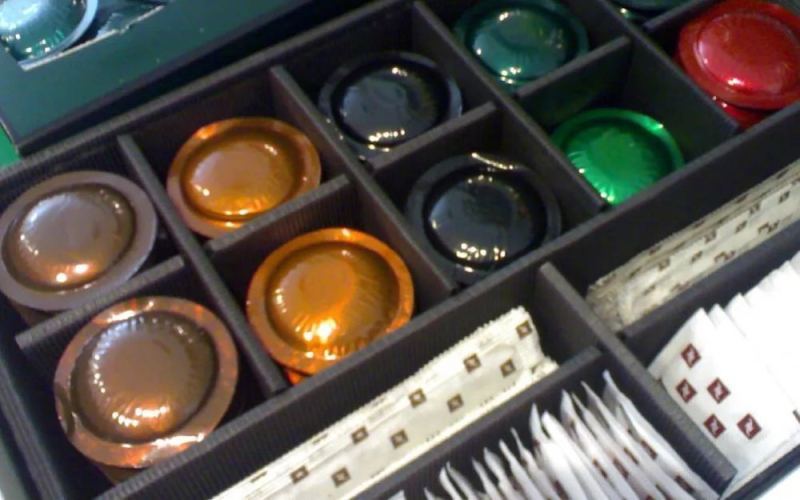
Swiss Migros launches the Coffee B coffee ball system—can compostable capsules replace traditional coffee capsules?
Coffee has become a mainstream daily beverage, and instant and capsule coffee occupy an important place among derivative categories thanks to their convenience. Companies such as Nestlé have driven the popularity of capsule coffee machines, and capsule coffee has grown rapidly worldwide. But the disposable metal and plastic shells have created a huge amount of waste. In response to this pain point, Swiss retailer Migros launched a new capsule coffee system, Coffee B, in Zurich on September 6, replacing traditional capsules with brown coffee balls. The outer layer uses a colorless and tasteless algae-based film, which can be composted after use and fully degrades within a few weeks. The accompanying coffee machine will first go on sale in Switzerland and France, and enter Germany in 2023. Algae packaging has also appeared in recent years in scenarios such as edible water bags, offering a new idea for reducing plastic in coffee packaging. [more…]
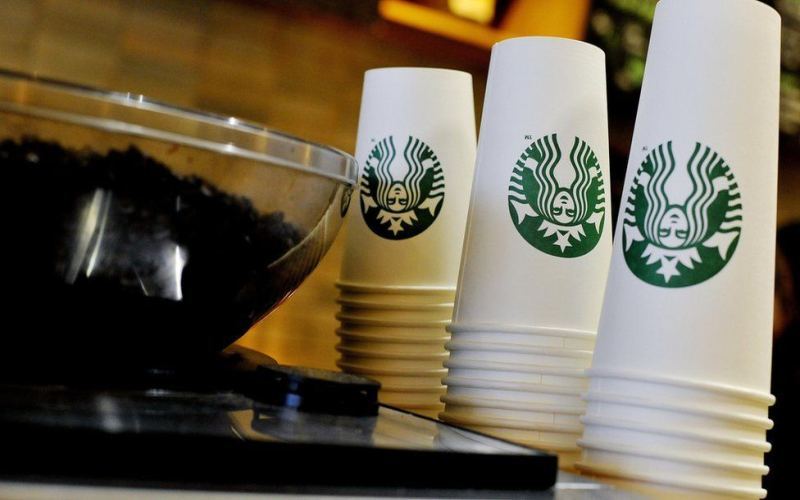
Starbucks and other coffee shops in the US face a disposable cup shortage, with costs soaring by 70%, and businesses resorting to all sorts of tricks.
Coffee has long been woven into Westerners' morning routines, and in America's fast-paced consumer culture, grabbing a cup of coffee to go is a habit for many. Recently, however, the U.S. coffee industry has run into an unexpected "cup crisis" — a severe shortage of disposable coffee cups. According to The Wall Street Journal, coffee chains such as Starbucks are facing alarmingly low cup inventories, with some consumers even calling multiple stores just to track down a venti-sized coffee. This crisis has not only driven up supply costs for coffee shops but has also given rise to peculiar workarounds, such as stores borrowing cups from one another and testing alternative lids. This article takes an in-depth look at the supply chain predicament and industry impact behind this "hard-to-get-a-cup" situation. [more…]
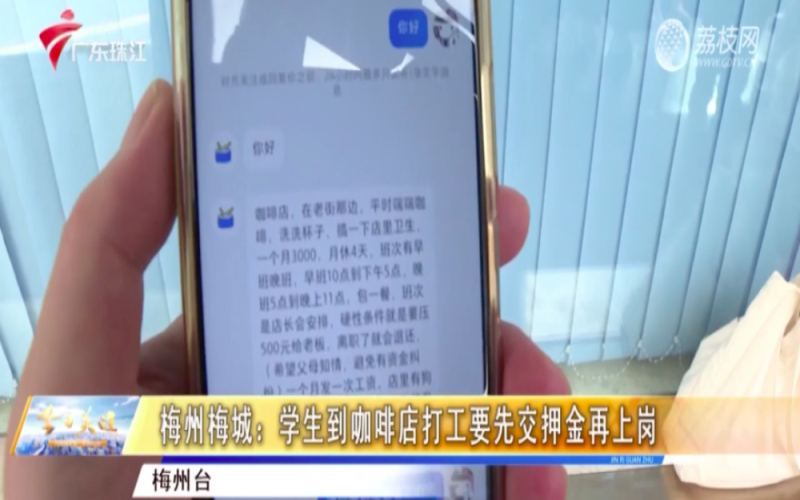
Applying for a summer job at a coffee shop requires a deposit first? 14 students in Meizhou were charged before even starting work, and law enforcement stepped in.
Summer jobs are supposed to be a way for students to earn pocket money and gain social experience, yet 14 students in Meicheng, Meizhou, encountered an absurd situation when applying for summer work at a coffee shop: before even starting the job, they were charged deposits ranging from several hundred to over a thousand yuan by the shop owner. What's even more frustrating is that most of them never worked a single day, yet getting their deposits back proved extremely difficult. This incident not only exposes the risks of recruitment information on social platforms, but also serves as another reminder to job seekers: it is illegal for employers to charge work deposits. [more…]
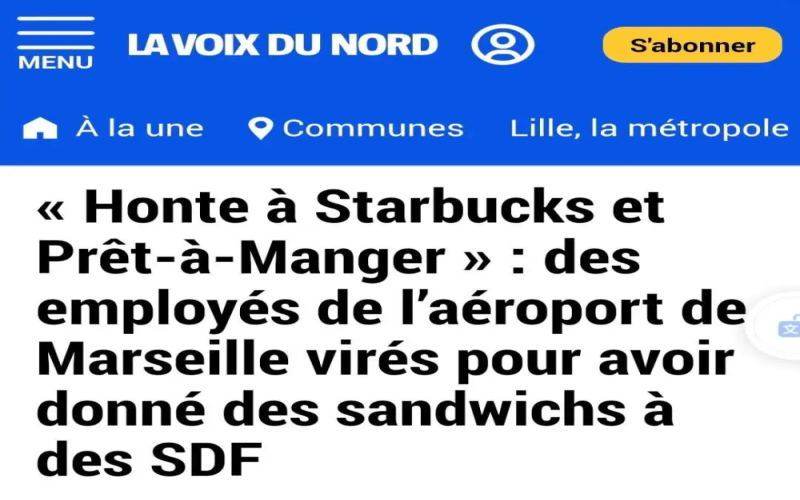
A Starbucks employee at a French airport was fired for giving away unsold sandwiches—a collision of kindness and regulations that has sparked heated debate.
Recently, four Starbucks and Prêt-à-Manger employees at Marseille Provence Airport in France were dismissed by the management company SSP Group on grounds of "gross misconduct" for giving unsold sandwiches to homeless people and airport staff. The incident quickly sparked a public outcry, with the public generally supporting the employees' good deed, while legal experts pointed out that even with good intentions, disposing of a company's unsold goods without authorization may still constitute a violation or even theft. When humanitarian sentiment collides with corporate management systems and food safety responsibilities, this controversy is not only about the fate of a few employees, but also reflects the complex dilemmas in the real-world implementation of anti-waste initiatives. [more…]
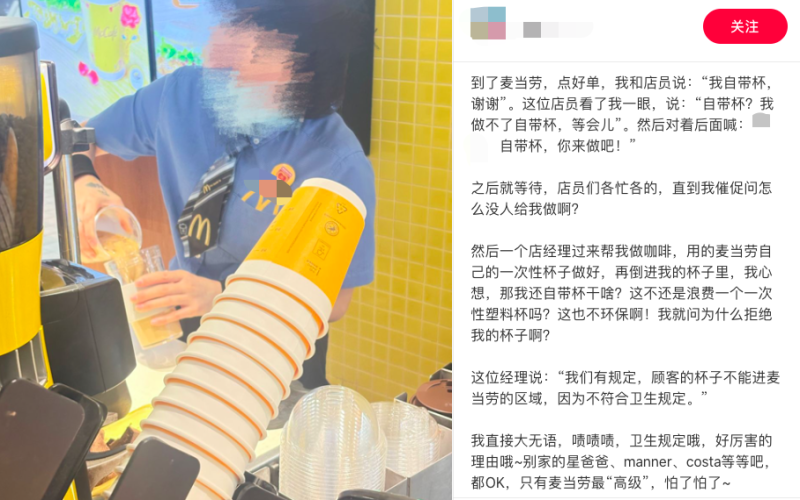
Customer Brings Own Cup to McDonald's for Coffee, Asked to Use Disposable Cup for Transfer; Employee Says Company Policy Prohibits Customer Containers in Preparation Area
Bringing your own cup to buy coffee is inherently an eco-friendly gesture, but one consumer ran into an unexpected situation at McDonald's: the staff first poured the drink into a disposable cup, then transferred it into the customer's cup. The store explained that customer containers cannot enter the preparation area due to hygiene regulations. The incident sparked widespread discussion—some understood McDonald's food safety considerations, while others felt that using an extra plastic cup defeats the original eco-friendly purpose. So how exactly should bring-your-own-cup work at fast-food restaurants? Front Street Coffee takes you through the details. [more…]
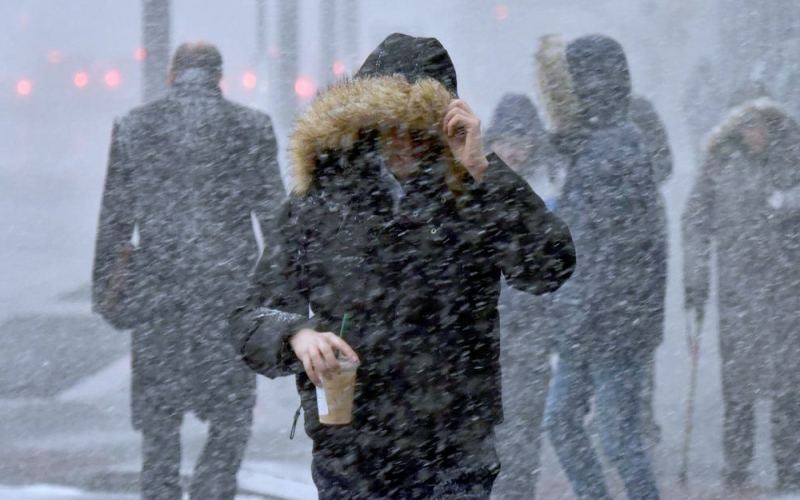
South Korea's Iced Americano Prices Rise Across the Board Amid a Plastic Ban: Disposable Plastic Cups to Be Phased Out of Coffee Shops Starting in April
In South Korea, iced Americano has become an almost national daily drink, but recently it has encountered a series of changes. Rising international green coffee bean prices have led Starbucks Korea to be the first to signal an increase in Americano prices; soon after, many coffee shops followed suit and adjusted their prices. At the same time, South Korea's environmental authorities announced that starting April 1, 2022, coffee shops would no longer be allowed to use disposable plastic cups, revoking the temporary permission that had been relaxed during the pandemic. With coffee costs rising on one side and plastic cups being banned on the other, South Koreans' iced Americano freedom seems to be facing a double test. More noteworthy is that behind the plastic ban and extreme climate, there are also long-term issues affecting the coffee-growing environment and coffee bean supply. [more…]